
Beats Solo 4 Review: Is It Worth Trying?
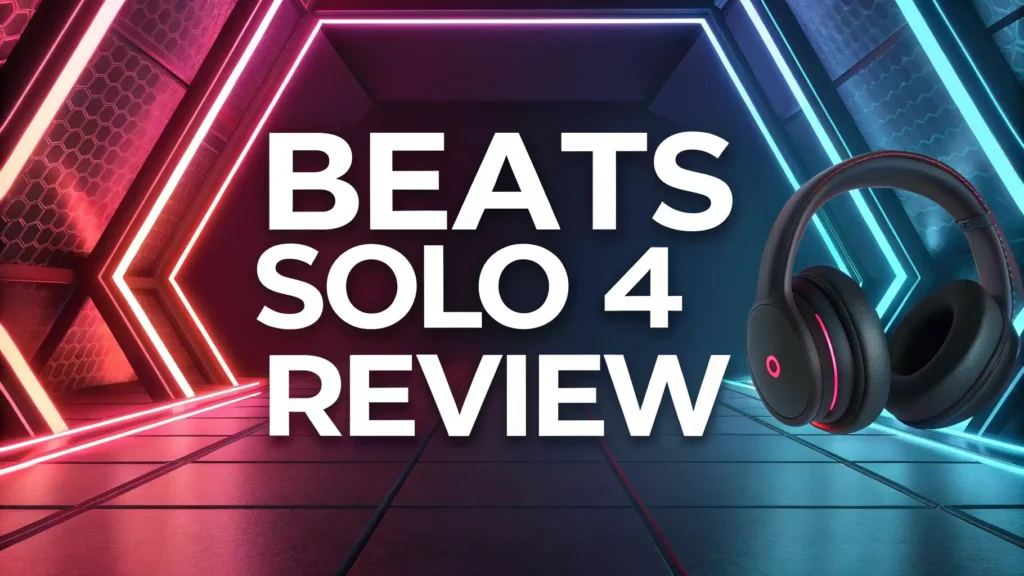
The Beats Solo 4 represents Apple’s latest evolution in the iconic Solo series.
After nearly eight years since the Solo 3 Wireless launch, this fourth-generation model brings meaningful upgrades while maintaining the classic design that made Solo headphones a cultural phenomenon.
This comprehensive review explores every aspect of these $200 on-ear headphones to help you decide if they deserve a place in your audio collection.
Key Takeaways
- Exceptional Battery Life: The Solo 4 delivers up to 50 hours of wireless playback, making them perfect for extended use without frequent charging
- Improved Sound Quality: Enhanced 40mm drivers with redesigned acoustic architecture provide cleaner audio with better clarity and bass definition compared to previous models
- Dual Connectivity Options: Features both USB-C digital audio and traditional 3.5mm wired connections for versatile listening experiences
- Cross-Platform Compatibility: Works seamlessly with both Android and iOS devices, offering platform-specific features for each ecosystem
- Lacks Premium Features: Missing active noise cancellation and auto-pause sensors that many competitors offer at this price point
Design and Build Quality
The Beats Solo 4 maintains the familiar aesthetic that made the Solo series instantly recognizable. The design philosophy centers on simplicity and durability rather than flashy innovation. The matte plastic construction feels sturdy without being overly heavy at just 217 grams.
The brushed metal finish on the hinges replaces the chrome accents from previous models, giving a more mature appearance. Small design refinements include updated labeling and improved material choices. The upgraded faux leather ear pads use the same durable material found on the Studio Pro, promising better longevity.
These on-ear headphones fold completely flat for storage in the included soft carrying case. The case itself represents a significant improvement over previous hard cases, featuring internal pockets for both USB-C and 3.5mm cables. The compact design makes them excellent travel companions.
The clamping force strikes a reasonable balance between security and comfort. While some users may experience slight pressure during extended sessions, the cushioned ear pads help minimize discomfort. The modestly padded headband distributes weight evenly across the top of your head.
Sound Performance and Audio Quality
The Beats Solo 4 delivers the most significant audio improvements in the Solo series history. The custom 40mm drivers feature redesigned acoustic architecture that reduces distortion and improves overall clarity. Beats has also automated their production process to ensure consistent quality across all units.
The sound signature remains true to the Beats DNA with punchy bass and crisp highs, but feels more refined than previous generations. The frequency response shows some underemphasis in the lower frequencies up to 800Hz, followed by emphasis in the 3kHz to 9kHz range. This creates a bright, energetic sound that works well with modern music genres.
Bass response feels controlled yet impactful. Deep bass tracks maintain their energy without overwhelming the mix. The midrange handles vocals and instruments with good separation, though some tracks may sound slightly thin compared to over-ear alternatives.
The highs deliver excellent detail but can occasionally feel fatiguing during long listening sessions. The 3kHz emphasis adds presence to vocals and instruments but may cause ear fatigue for sensitive listeners.
Wireless Connectivity and Features
Bluetooth 5.3 connectivity provides stable connections with extended range and reduced dropouts. The Beats Proprietary Platform offers unique features for both Android and iOS users, making these headphones truly cross-platform friendly.
Android users benefit from Google Fast Pair, automatic device switching between Google-connected devices, and access to the dedicated Beats app. The app provides firmware updates, Find My functionality, and basic customization options.
iOS users enjoy deeper integration with hands-free Siri access, audio sharing capabilities, and automatic handoff to Apple Watch. However, manual switching between iCloud devices is still required, unlike true AirPods integration.
The pairing process offers both traditional Bluetooth pairing and fast pairing options. The headphones remember multiple devices and switch between them relatively smoothly, though Android users get more seamless automation.
Spatial Audio with head tracking exclusively benefits iOS users, providing an immersive listening experience comparable to AirPods Pro 2 and AirPods Max. This feature works particularly well with compatible content and adds significant value for Apple ecosystem users.
Battery Life and Charging
The Beats Solo 4 excels in battery performance with an impressive 50-hour rated battery life. Real-world testing confirms these claims, with some users reporting even longer usage times under normal listening conditions. This represents a substantial 10-hour improvement over the Solo 3 Wireless.
Fast Fuel charging provides 5 hours of playback from just 10 minutes of charging. The USB-C charging port brings the Solo series into the modern connector era, eliminating the need for proprietary cables.
The extended battery life means less frequent charging cycles, potentially extending the overall lifespan of the internal battery. This addresses one of the most common failure points in wireless headphones and adds long-term value to your investment.
Power management includes automatic sleep mode when not in use, though the absence of auto-pause sensors means the headphones won’t automatically stop playback when removed. Despite this limitation, the excellent battery life minimizes any practical concerns.
Wired Listening Options
The Solo 4 offers versatile wired connectivity through both USB-C digital audio and traditional 3.5mm analog connections. This dual approach provides flexibility for different devices and listening scenarios.
USB-C digital connection enables high-resolution lossless audio when connected to compatible devices. This feature trickles down from the more expensive Studio Pro and adds significant value for audiophiles seeking maximum audio quality.
The 3.5mm analog connection works even when the headphones are completely powered off, ensuring you never lose audio access due to dead batteries. The included cable feels sturdy and provides reliable connectivity to devices with traditional headphone jacks.
Both wired options maintain excellent audio quality, with some users reporting slight improvements in clarity and detail when using wired connections with high-resolution audio files. The seamless switching between wireless and wired modes adds practical convenience.
Call Quality and Microphone Performance
Voice calling represents one of the most significant improvements in the Solo 4. Beamforming digital MEMS microphones replace the analog microphones from previous generations, bringing advanced noise reduction algorithms similar to the Studio Pro.
Call quality testing reveals excellent background noise suppression with clear voice transmission. Callers report being able to hear you clearly even in moderately noisy environments, though your voice may sound slightly processed or tunnel-like.
The quick mute function allows you to tap the main control button during calls to mute and unmute your line. This feature proves particularly useful for conference calls and video meetings where quick mute access is essential.
Wind noise suppression shows mixed results, performing adequately in light wind but struggling with stronger gusts. Overall call quality surpasses most headphones in this price range and competes well with more expensive alternatives.
Comfort and Fit
On-ear headphones inherently present comfort challenges compared to over-ear designs, and the Solo 4 handles these limitations reasonably well. The 217-gram weight feels manageable, though the pressure concentrates entirely on your outer ears rather than distributing across your head.
Extended wearing sessions of 90 minutes or more may cause discomfort for some users. The clamping force necessary to maintain seal and security can become noticeable during longer listening periods. However, many users find them comfortable for typical commuting and casual listening durations.
The cushioned ear pads provide adequate padding and use improved materials designed for durability. The fake leather covering resists wear better than previous generations, though the pads themselves aren’t user-replaceable.
Fit consistency affects both comfort and audio performance. Getting a proper seal ensures optimal bass response and passive noise isolation. The adjustable headband accommodates various head sizes, though finding the perfect fit may require some experimentation.
Passive Noise Isolation
Without active noise cancellation, the Solo 4 relies entirely on passive isolation from the ear pad seal. The results prove surprisingly effective for on-ear headphones, blocking a substantial amount of ambient noise when properly fitted.
High-frequency noise receives excellent attenuation, making these headphones suitable for use in cafes, offices, and other moderately noisy environments. However, low-frequency rumble from vehicles, aircraft, and machinery penetrates more easily.
The isolation quality depends heavily on achieving a proper fit. Inconsistent positioning can dramatically reduce the passive noise blocking effectiveness. Users with glasses may experience reduced isolation due to breaking the ear pad seal.
For commuting and general use, the passive isolation proves adequate for most situations. However, users specifically needing maximum noise blocking for air travel or very noisy environments should consider active noise-canceling alternatives.
Missing Features and Limitations
Several notable omissions distinguish the Solo 4 from premium competitors. Active noise cancellation represents the most significant missing feature, especially considering the $200 price point and sporty marketing positioning.
Auto-pause sensors that detect when headphones are removed would improve user experience but remain absent. This feature has become standard on many competing models and adds convenience for frequent on-off usage patterns.
Water resistance rating is completely missing despite marketing videos showing exercise use. The lack of any IP rating means users should avoid moisture exposure, limiting workout applications despite the secure fit.
Transparency mode would benefit users who need environmental awareness during exercise or commuting. The complete absence of ambient audio options forces users to remove the headphones entirely to hear their surroundings.
Comparing Solo 4 vs Solo 3 Wireless
The improvements over the Solo 3 Wireless justify the upgrade for most users. Sound quality represents the most noticeable enhancement, with cleaner audio, better clarity, and improved bass definition throughout the frequency range.
Battery life increases from 40 to 50 hours, providing meaningful extended usage time. USB-C charging replaces the outdated micro-USB connector, aligning with modern device standards and improving charging convenience.
Call quality improvements through upgraded microphones and processing algorithms make the Solo 4 much more suitable for voice calls and video conferencing. The enhanced build materials promise better durability and longevity.
Feature parity in connectivity and platform integration means both models offer similar smart features, though the Solo 4 benefits from newer Bluetooth standards and improved stability.
Should You Buy the Beats Solo 4
The Beats Solo 4 presents a complex value proposition that depends heavily on your specific needs and budget expectations. At the full $200 retail price, these headphones face strong competition from alternatives offering active noise cancellation and additional premium features.
Sound quality improvements over previous Solo models are undeniable and significant. The 50-hour battery life provides exceptional value for users prioritizing longevity. Cross-platform compatibility makes them appealing for users with mixed device ecosystems.
However, the lack of noise cancellation and missing convenience features like auto-pause sensors limit their appeal against similarly priced competitors. The on-ear design inherently compromises long-term comfort compared to over-ear alternatives.
Wait for sales represents the best strategy for most potential buyers. When discounted to $130-150, the Solo 4 becomes much more competitive and addresses most value concerns. The inevitable price drops will make these headphones significantly more attractive.
Frequently Asked Questions
Do the Beats Solo 4 have noise cancellation?
No, the Solo 4 do not include active noise cancellation and rely only on passive isolation from the ear pads.
How long does the battery last on Solo 4?
The Solo 4 provides up to 50 hours of wireless playback and includes fast charging for 5 hours from 10 minutes of charging.
Can you use Solo 4 with Android phones?
Yes, the Solo 4 work with both Android and iOS devices with platform-specific features for each ecosystem.
Are the Solo 4 waterproof?
No, the Solo 4 have no water resistance rating and should be kept away from moisture and sweat.
Do Solo 4 work with wired connections?
Yes, they support both USB-C digital audio and 3.5mm analog connections for versatile wired listening options.